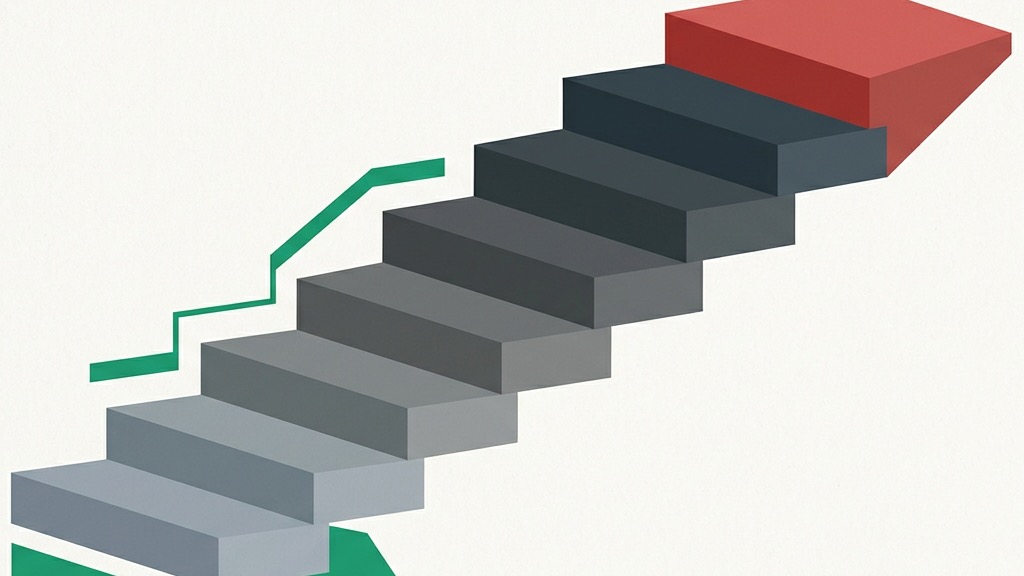
A first plagiarism offense at most colleges does not end in expulsion. Usually it is a zero on the assignment, sometimes a failed course, and an internal record you will never lay eyes on unless there is a second time. Expulsion is real, but it lives at the far end of a scale that the great majority of cases never travel.
The gap between that reality and the fear is where students make bad decisions, panicking over a consequence that was never on the table for what they actually did. So here is how the scale really works, and what moves you along it.
Severity decides more than the fact of plagiarism
Institutions do not treat all plagiarism as one offense. Scribbr's breakdown of plagiarism consequences sorts it by severity, and that sorting matters more to your outcome than the label "plagiarism" does.
The rough tiers:
- Minor: a missing citation, a poorly paraphrased passage, a quote that lost its marks. Usually resolved with a grade penalty and often an integrity tutorial.
- Moderate: substantial uncited material, or several instances across a paper. A zero on the assignment, sometimes a failing course grade.
- Severe: submitting someone else's whole paper, buying work, or repeat offenses. This is where suspension and expulsion actually live.
The two questions that place you on this scale are how much, and did you mean to. A forgotten citation on one paragraph and a purchased essay are both technically plagiarism, and no serious institution pretends they deserve the same response.
What a first offense usually looks like
For a genuine first offense at the minor-to-moderate end, the common outcome is some combination of a zero on the work, a required academic integrity module, and an internal note in the integrity office. Many students never even face a formal hearing for this tier; the instructor handles it directly.
The internal note is the piece worth understanding, because it pulls double duty. Most of the time it is invisible: not on your transcript, not something a grad school or an employer ever sees. And it is the line your next case gets measured against, if a next case happens. A first offense counts as a first offense for one reason, that the system is quietly holding this record in reserve.
The escalation to suspension and expulsion
Suspension and expulsion are real, and they cluster around specific things: severe first offenses, and repeat offenses.
The University of Alabama's academic misconduct policy is a clear example of how this is structured. A first finding typically means a grade penalty. A second finding generally mandates suspension, from a semester up to a full year, and the penalty for that second offense is deliberately taken out of the instructor's hands and reserved for an academic dean. Expulsion is possible for egregious acts or a pattern.
The design is intentional. The individual instructor can resolve a first, minor case quickly. The moment there is a pattern, the decision moves up to someone with the authority to remove you, and that is the same reason the first internal note matters so much even when it costs you almost nothing at the time.
What actually goes on your transcript
This is the fear that drives the most panic, and for most cases it is misplaced.
At many institutions, disciplinary sanctions are deliberately kept off the permanent transcript. Alabama's policy states it directly: sanctions other than expulsion are not made part of the official transcript. Expulsion is the exception that gets permanently recorded.
So a first-offense zero and an integrity tutorial generally leave no external mark. This varies by institution, and some do note suspensions on the transcript for a period, so you have to read your own school's policy rather than trust a general rule. But the widespread belief that any plagiarism finding brands your permanent record is, at most colleges, simply wrong.
The consequences nobody lists
The formal penalties are often not the ones that cost the most.
A professor who catches you is a reference you can no longer ask for and a relationship that never quite mends. In a small department, that travels with you. Scholarships usually require good standing, so a suspension can cut off funding. Professional programs and licensing boards ask flat questions about integrity findings, and answering honestly means telling them what your transcript might not.
These are quieter than expulsion and they reach a lot further into most students' actual lives. They are also why the "it was only a zero" framing badly understates what a finding costs you.
Why intent changes the tier so much
The single biggest factor in where you land is whether the institution reads what you did as a mistake or a decision, and the evidence for that is often the plagiarism itself.
A missing citation on one paragraph, in a paper that otherwise cites carefully, reads as an oversight. Uncited passages scattered through a paper that cites nothing reads as a pattern. A purchased essay is a decision with a receipt. The same word, "plagiarism," describes all three, but an integrity officer is sorting them by what the document reveals about intent, and the document usually reveals a lot.
This is why the cover story is so dangerous. A student who forgot a citation has an oversight. The same student who then fabricates an elaborate account of their research process, and gets caught by a version history, has converted an oversight into demonstrated dishonesty. The lie is what moves you up a tier, not the original lapse.
International students and a harder landing
One group faces consequences the standard scale understates: students on visas. A suspension is not only an academic penalty for them, because enrollment status is tied to immigration status, and a semester out can jeopardize the visa itself.
If that is your situation, the internal-note-and-tutorial outcome that another student would shrug off carries stakes worth taking seriously from the first meeting. It is a reason to use every procedural right, involve an ombuds office early, and never let a minor case drift toward a finding you did not contest.
If it has already happened
Two situations, two different responses.
If you are accused but believe it is a mistake, the finding is not automatic. Whether the matched text was your cited quote, your reference list, or a passage you rewrote too closely from a source you did cite, there is a process, and how you respond inside it changes the outcome. That response has its own order of operations worth following.
If you did it and got caught, the move that helps is the opposite of the instinct. Do not construct an elaborate denial that a version history or a source comparison will demolish. Acknowledging a first, minor lapse honestly tends to keep you in the tier where the consequence is a grade, rather than escalating it into a dishonesty case about the cover story.
The part that is actually reassuring
Most of what students fear about plagiarism attaches to the severe tier, and most student cases are not in it. A forgotten citation is not a purchased essay, and the system, at least on paper, knows the difference.
What that should change is the calculation before you submit, not after. The consequences at the minor end are survivable, but the way to never test them is to check a draft while it is still a draft. Reading a report that flags an uncited passage the night before submission is a five-minute fix. Reading the same passage in an email from your instructor is a different kind of week, and the boundary between the two is often just knowing what actually counts before you hand the work in.